
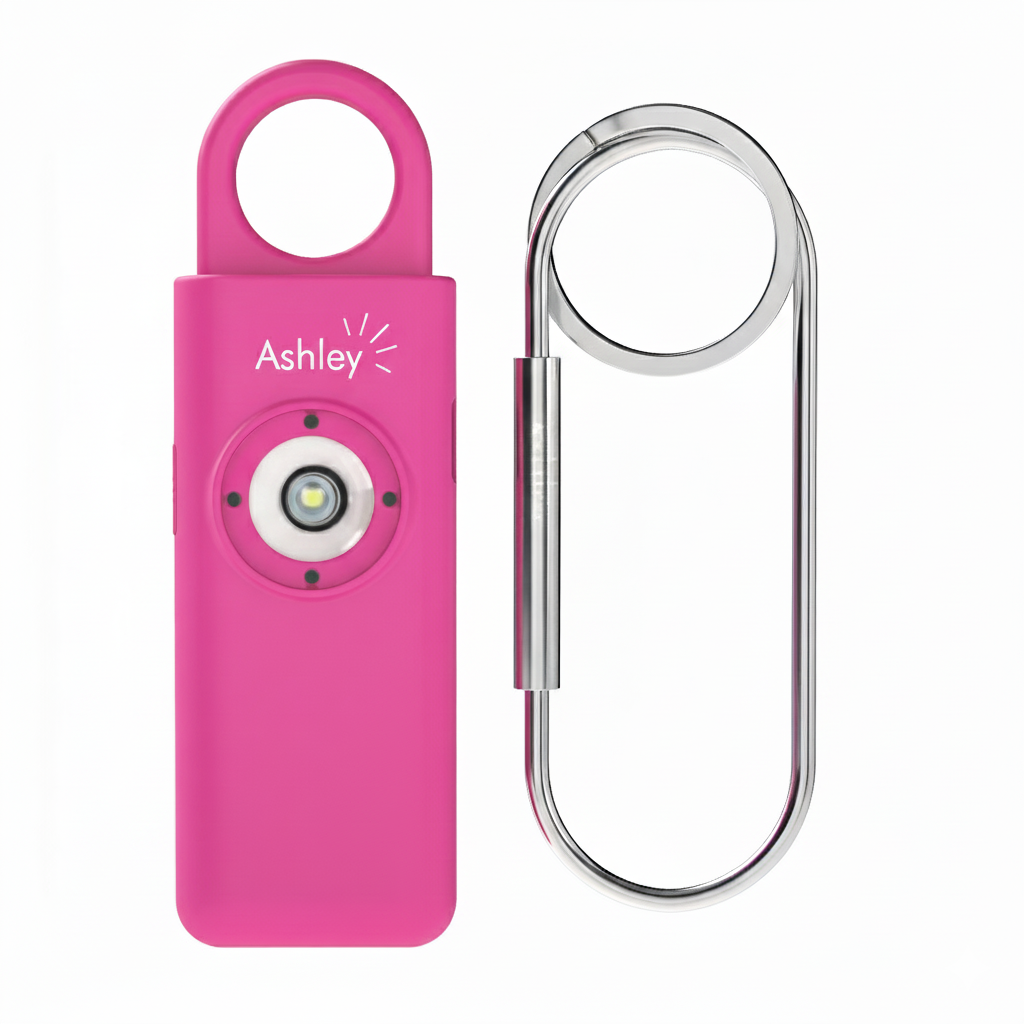
Personal alarms advertise numbers like 120dB, 130dB and 140dB. Here is what those numbers mean in real life.
Decibels in plain English
Decibels are a logarithmic scale: every 10dB is roughly a doubling of how loud something sounds to us. So 130dB sounds about twice as loud as 120dB.
- Normal conversation: about 60dB
- Busy traffic: about 80 to 85dB
- A car horn up close: about 110dB
- A personal alarm: 120 to 140dB at close range
Why so loud?
An alarm needs to cut through traffic, wind and music, carry down a street, and be too uncomfortable to ignore at arm's length. At 130dB+, it does all three.
Distance matters
Loudness falls as you move away, so the figure on the box is measured close to the speaker. What matters is that people nearby hear it clearly and turn to look, and that an attacker at arm's length gets the full blast.
Test it without hurting your ears
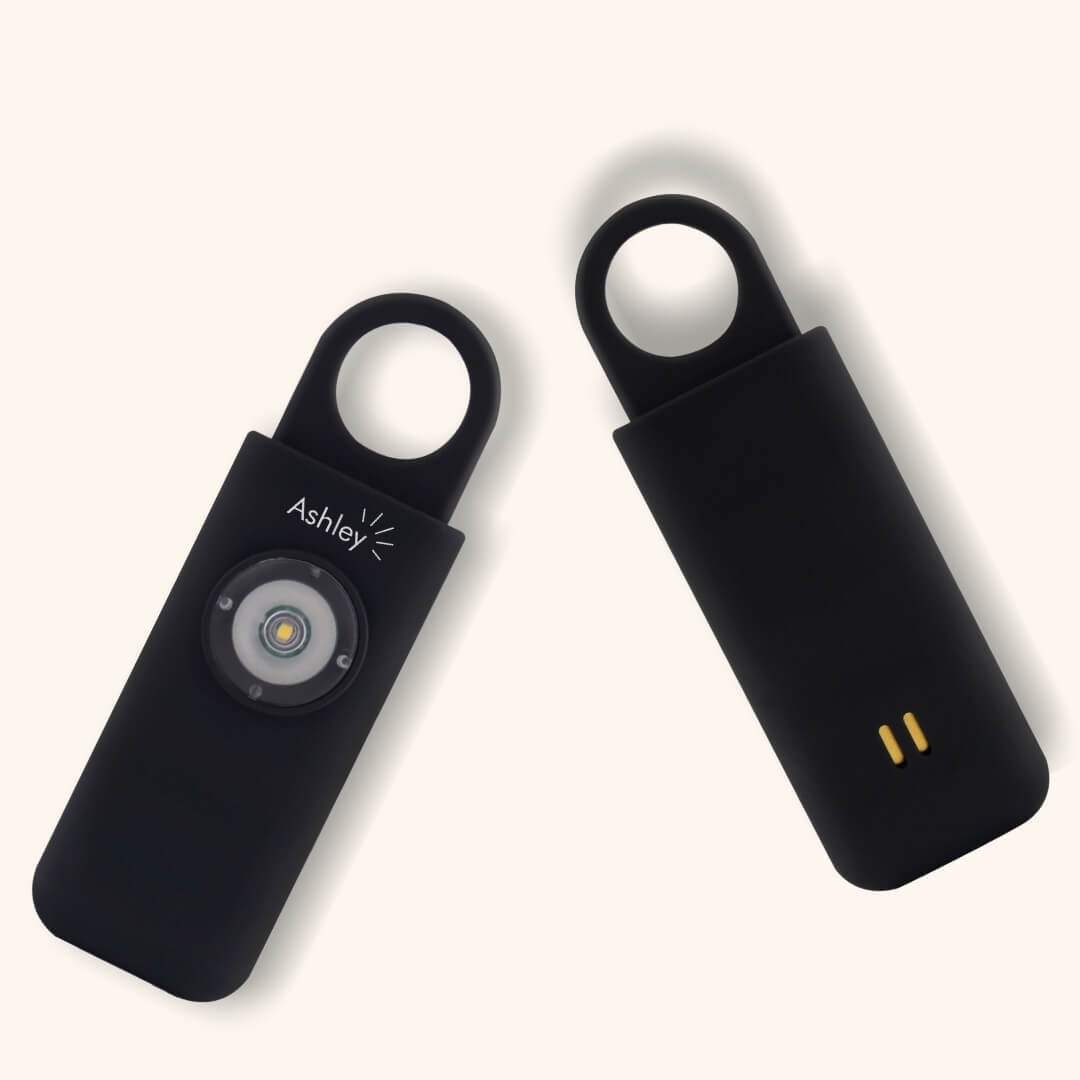
Hold your thumb firmly over the speaker, pull the pin for a second, then push it back in. Never test it next to your ear or in a small room.
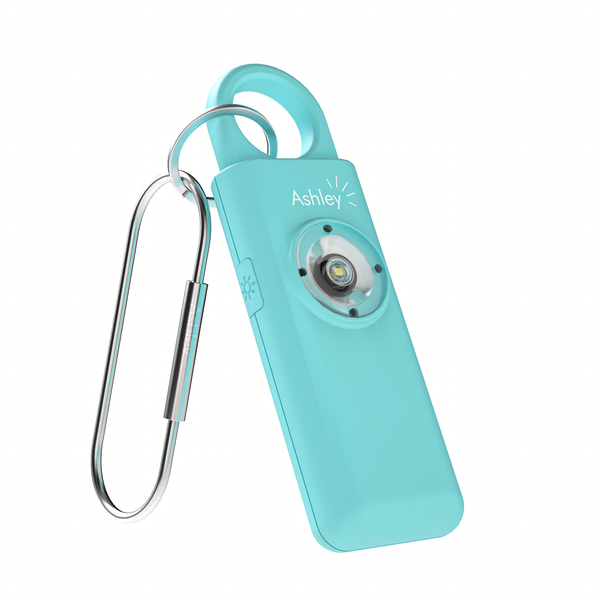
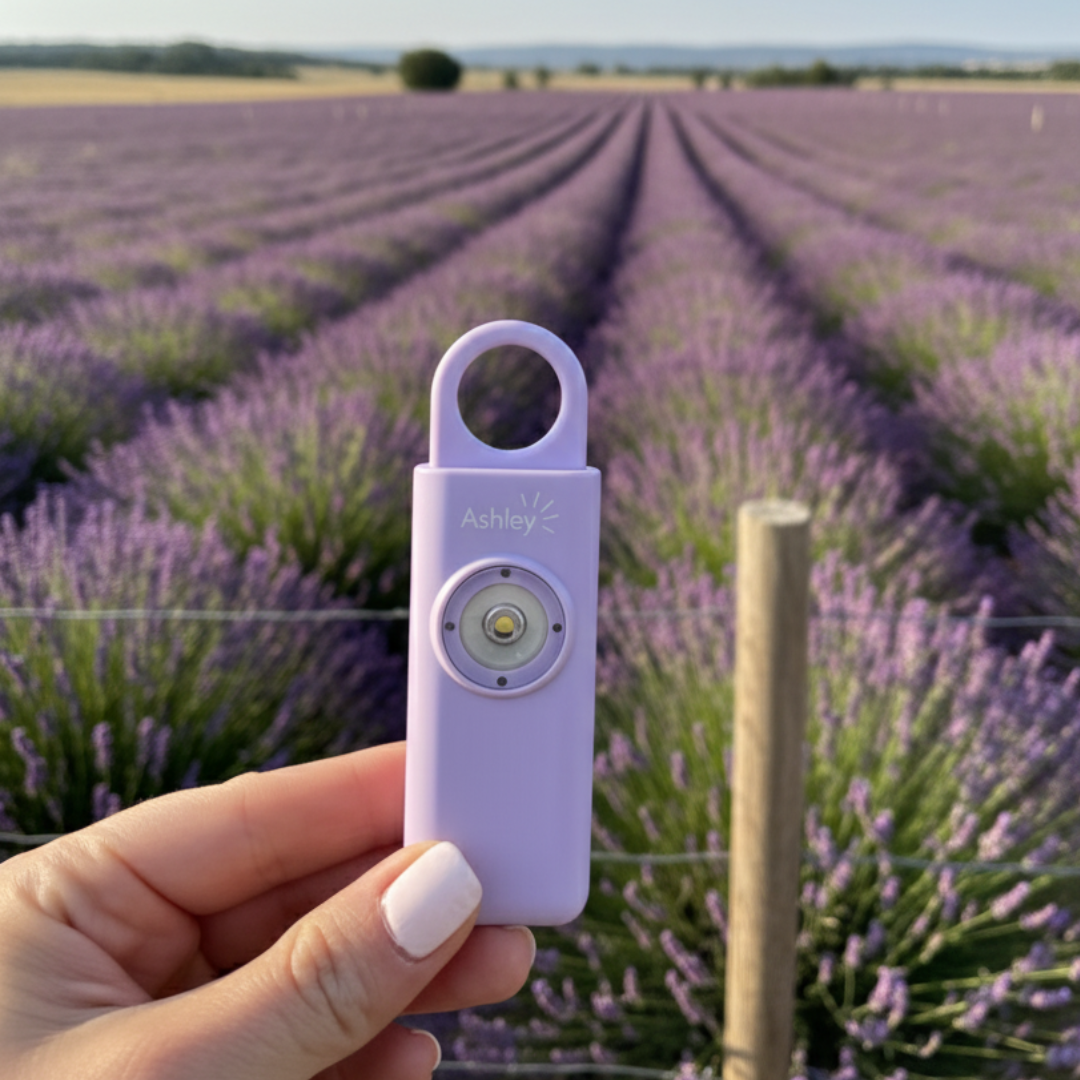
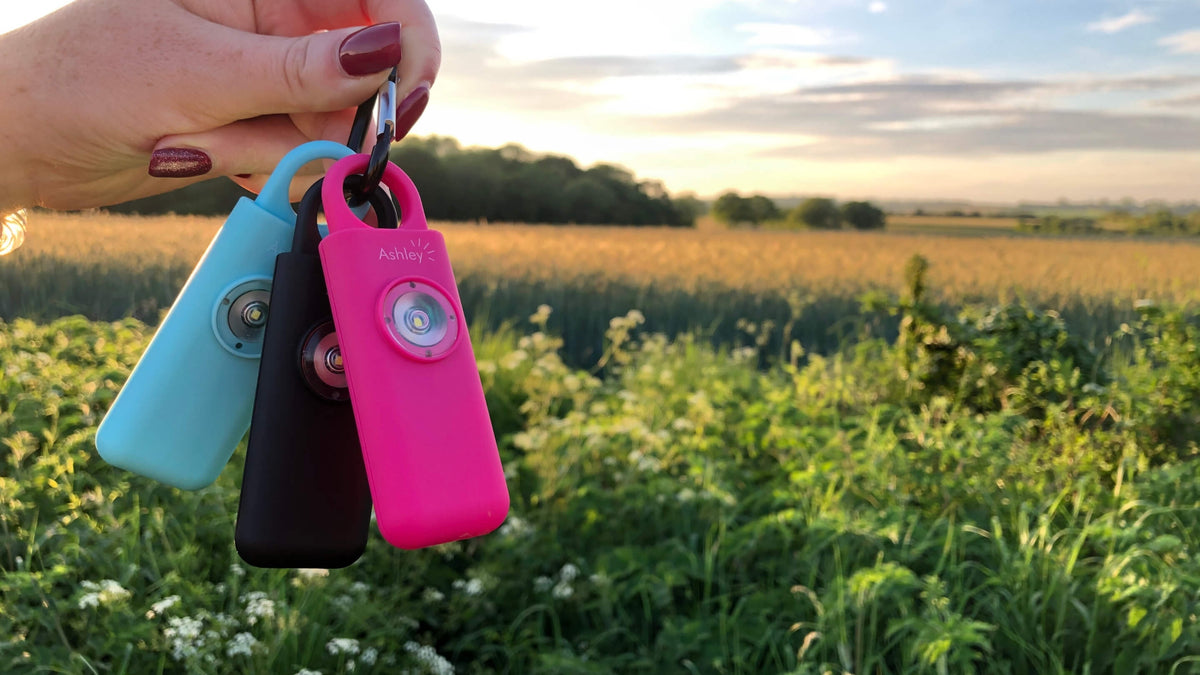
Ashley Alarm 2 has a 130dB+ siren, a 200-lumen strobe and USB charging, and is carried by 130,000+ women. See Ashley Alarm 2.







Leave a comment
This site is protected by hCaptcha and the hCaptcha Privacy Policy and Terms of Service apply.